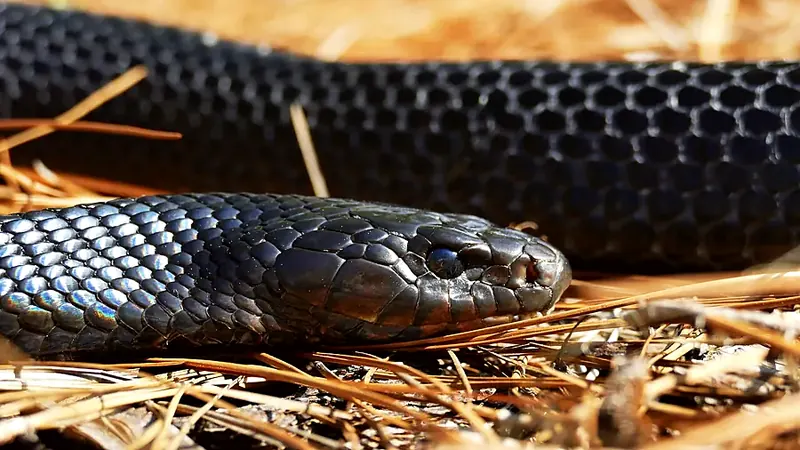

The eastern indigo snake is listed as threatened. It is Georgia's and North America's largest snake, up to about eight feet.
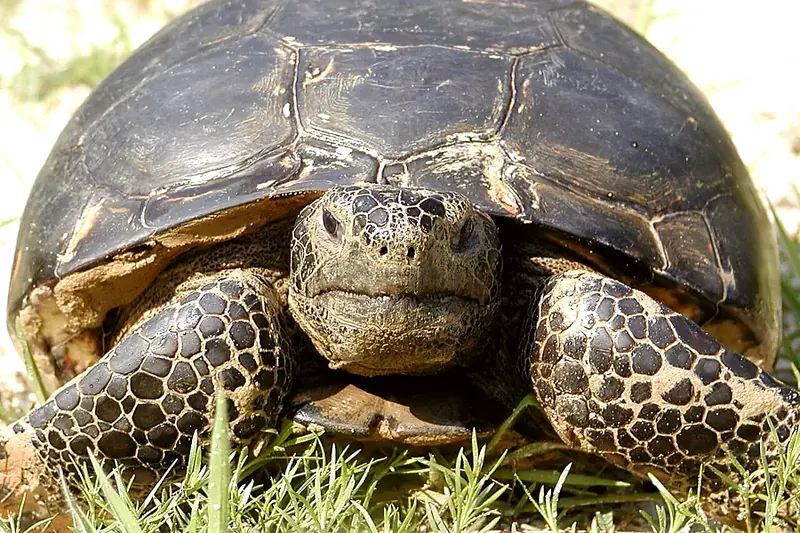
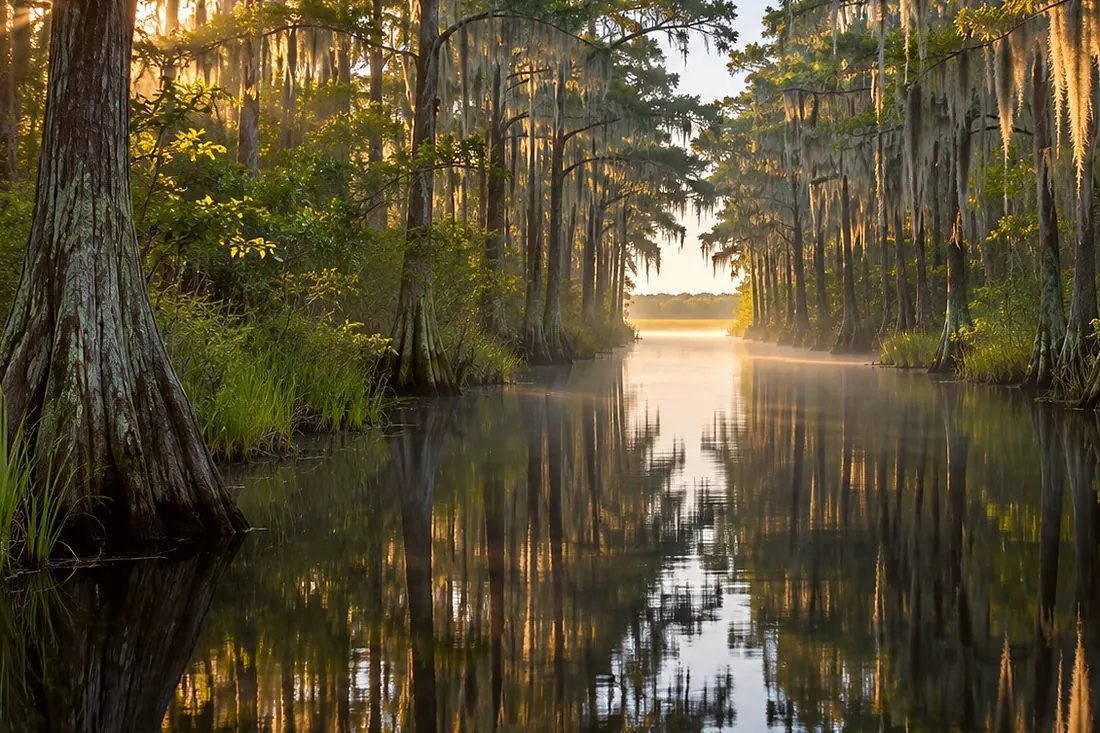
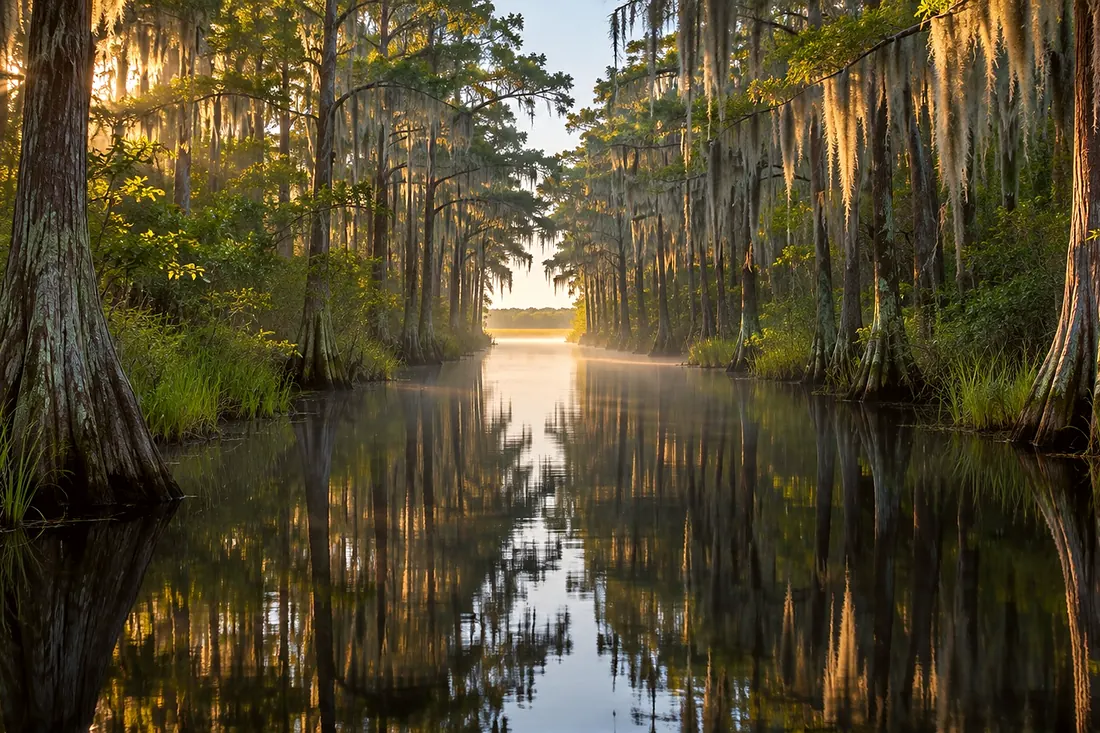
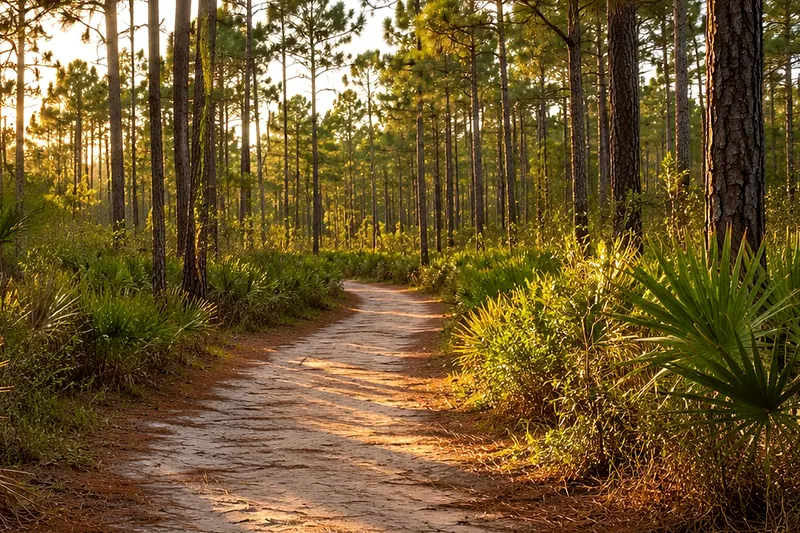
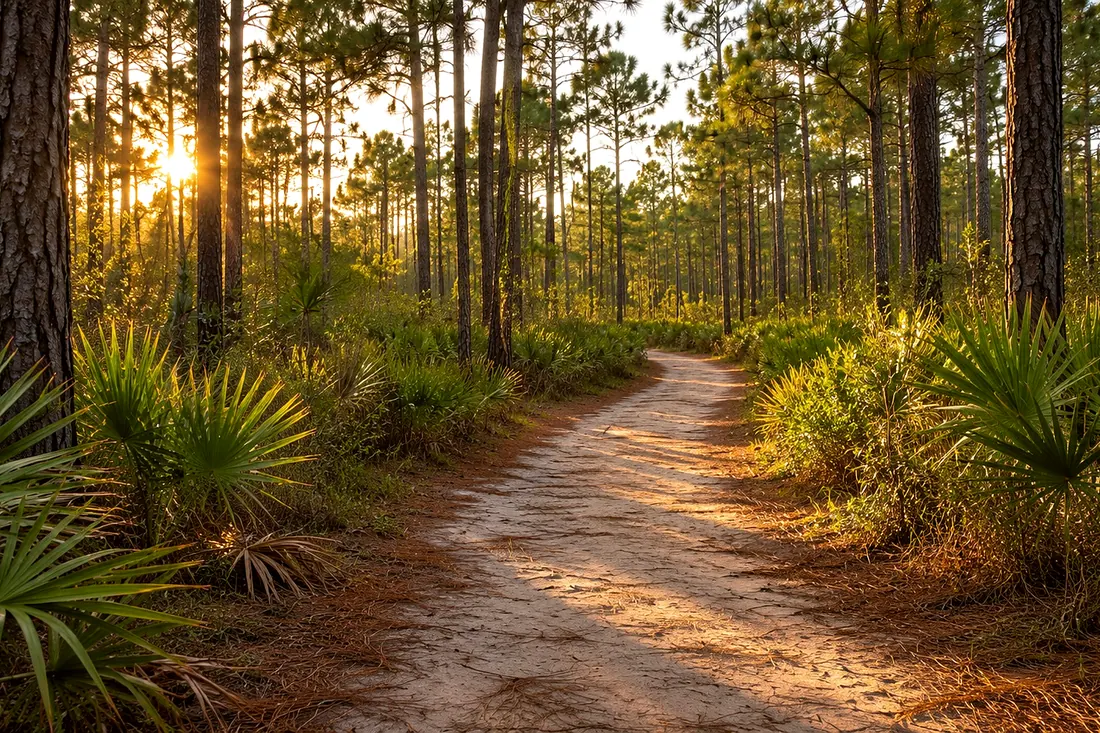
Indigo snakes spend most of their time in open habitats with well-drained sandy soils, such as pine savannas. In southern Georgia they use gopher tortoise burrows as winter dens. They also use them for shelter from heat, cold, fire and predators. When it is not too cold they stay active in winter, which is their breeding season. In the warmer months they retreat to the margins of wet areas. They eat a wide variety of prey, including other snakes. They typically survive bites from venomous snakes.
So why is it rare? Habitat loss and degradation limit where indigo snakes can live. Without natural fire, dense scrub oak thickets invade the longleaf pine. Many are killed on the highway. Gassing or smoking out gopher tortoise burrows to control diamondback rattlesnakes is also a major threat. In the past, large numbers were collected for the pet trade.
A survey that began in nineteen seventy-eight indicated about forty-five indigo snakes in the Okefenokee area. Because tortoises and their burrows are dense in some areas, the population is expected to persist. Management to restore the pine savannas has helped.
Never feed, chase, harass or try to handle wildlife.