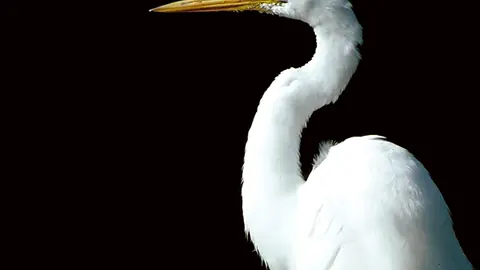
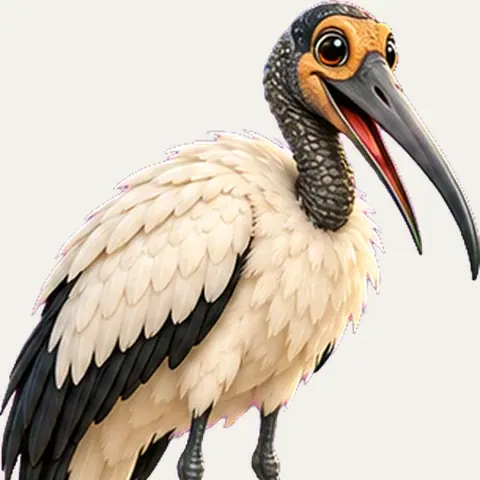
The refuge supports large numbers of wading birds. Great egrets, great blue herons and white ibis are among them. Little blue herons are also common in the open prairies. They feed in the open prairies and nest in colonies in pond cypress and other wooded habitats.
Three to four nesting colonies are generally found each year. In the early nineteen hundreds, hunting was a factor in wading bird numbers. Today Grand, Chase and Chesser Prairies appear to be used the most.
Their movements depend on food and the depth of the water. When water drops in a drought, ibis, egrets and herons shift to better feeding sites. So a prairie that is full today can be empty later.
Wading birds and the Florida sandhill crane are considered indicators of the health of the wetland system. The refuge is classed as an Important Bird Area of International Significance. It holds two hundred thirty-eight bird species.
Herons and egrets are year-round residents here. Secretive marsh birds, shorebirds and wading birds visit the refuge throughout the year. Wildlife viewing is usually best in the early morning or evening.