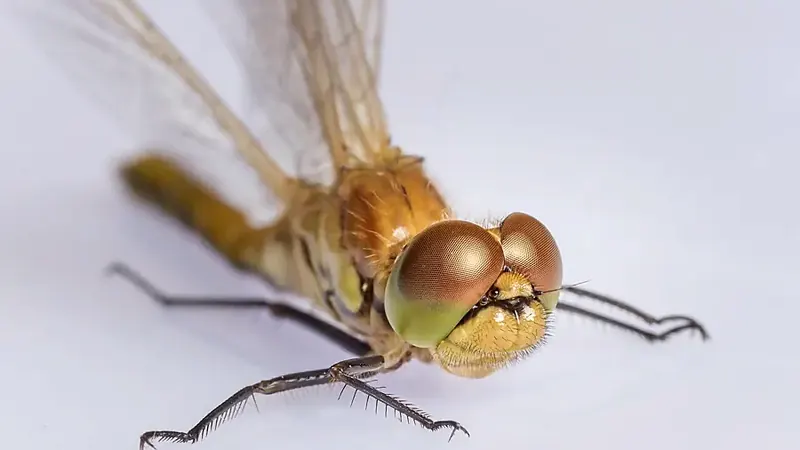

Out of sight, the swamp runs on small animals. In warm, humid places the refuge has exceptional invertebrate diversity. One hundred six insect families have been identified so far. An entomologist collected one hundred seventeen moth species over only a few nights. He estimated the refuge has over one thousand moth species.
The combined weight of spiders, mosquitoes, flies and ants is incredible. One study found one hundred four kinds of aquatic invertebrates. Midges, water mites and biting midges made up eighty-five percent of the animals collected. Mollusks were absent from the samples, and may not tolerate the acidity of the water.
The Okefenokee zale moth's larva depends on climbing heath, a woody vine. Invertebrates and fish are the base of the food chain. The nomination says the swamp's invertebrate population dynamics are poorly known.
Now the part you will feel. Mosquitoes and other biting insects are common in the swamp, particularly in the warmer months. Check yourself and your clothing for ticks after time outdoors.