If you're at the Chesser homestead right now, you're standing in the story. If you're listening at home, this is where to go.
The homestead is on Swamp Island Drive, which starts at the main entrance. The refuge's Wildlife Drive is about three point seven miles. It winds through longleaf pine savannas the refuge manages.
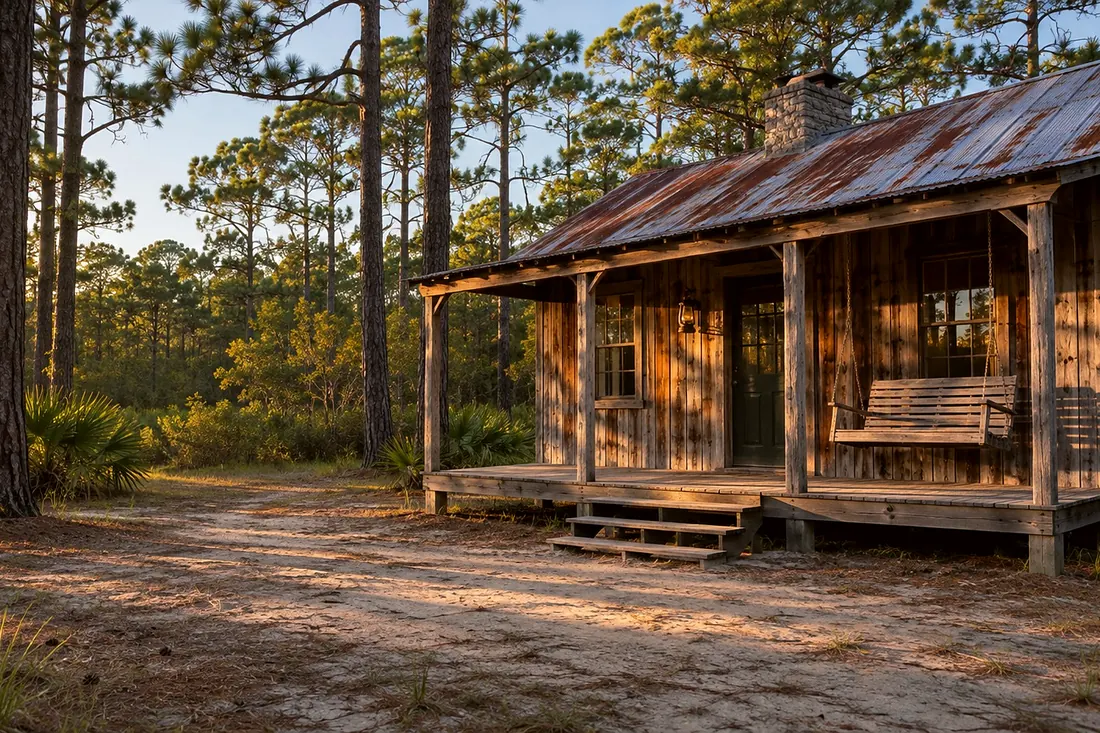
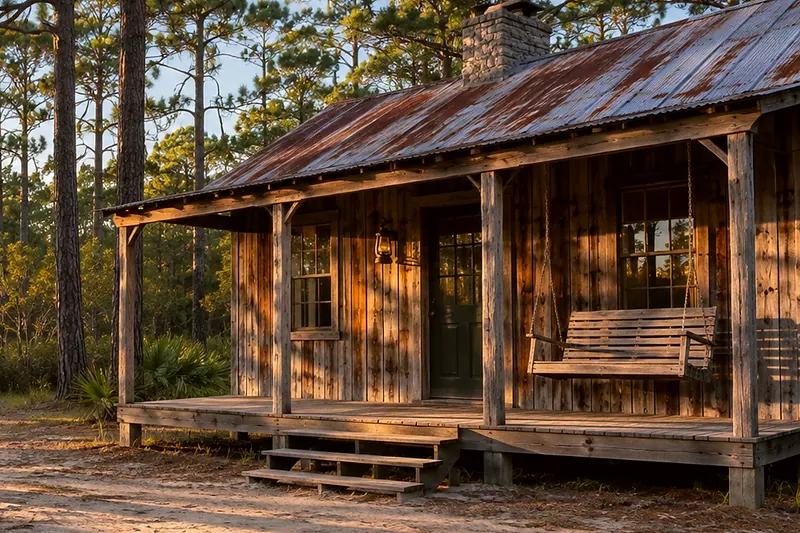
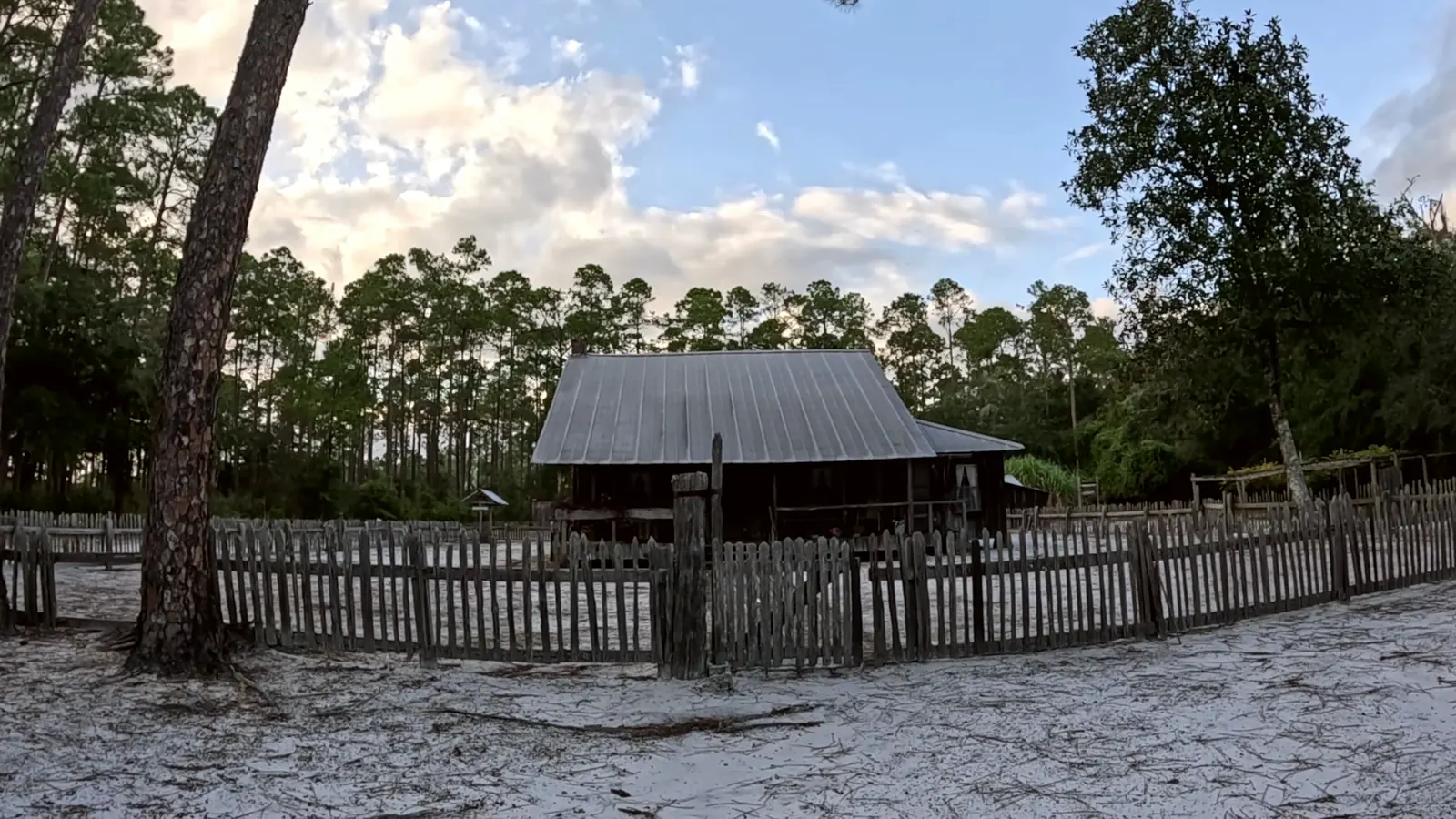
The restored Chesser homestead shows life inside the swamp. The text says the first half of the nineteen hundreds. The Nomination Text calls it a typical swamper homestead.
The refuge's own brochure says the preserved buildings and artifacts reflect the lifestyle of an early swamper family. The buildings include the syrup shed, a corn crib, a smokehouse and a storage shed.
Georgia Outdoor News says everything is as it was. Even a few family clothes still hang in open closets.
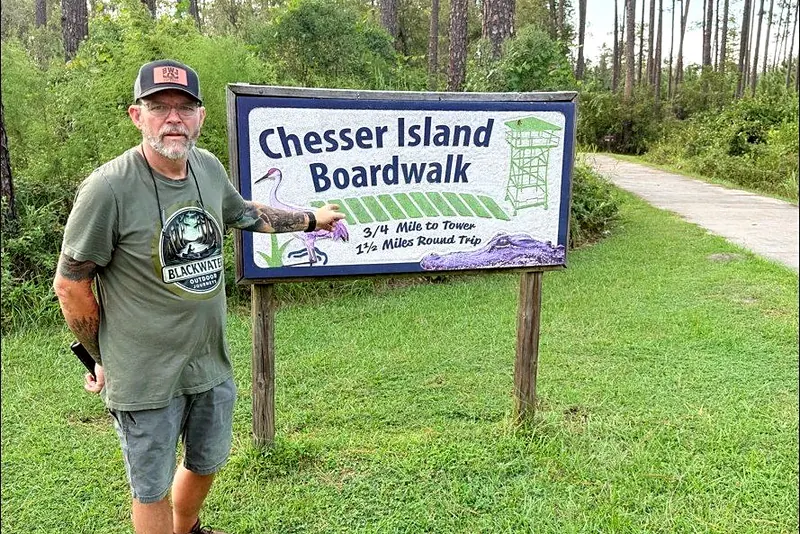
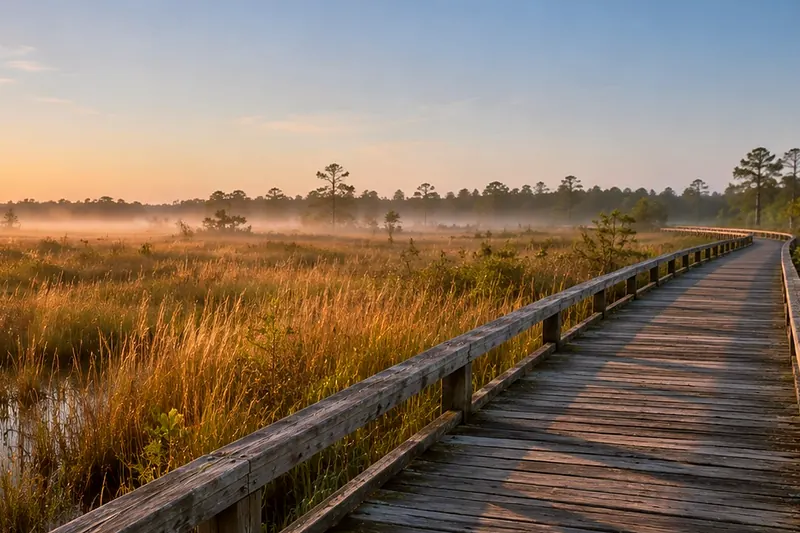
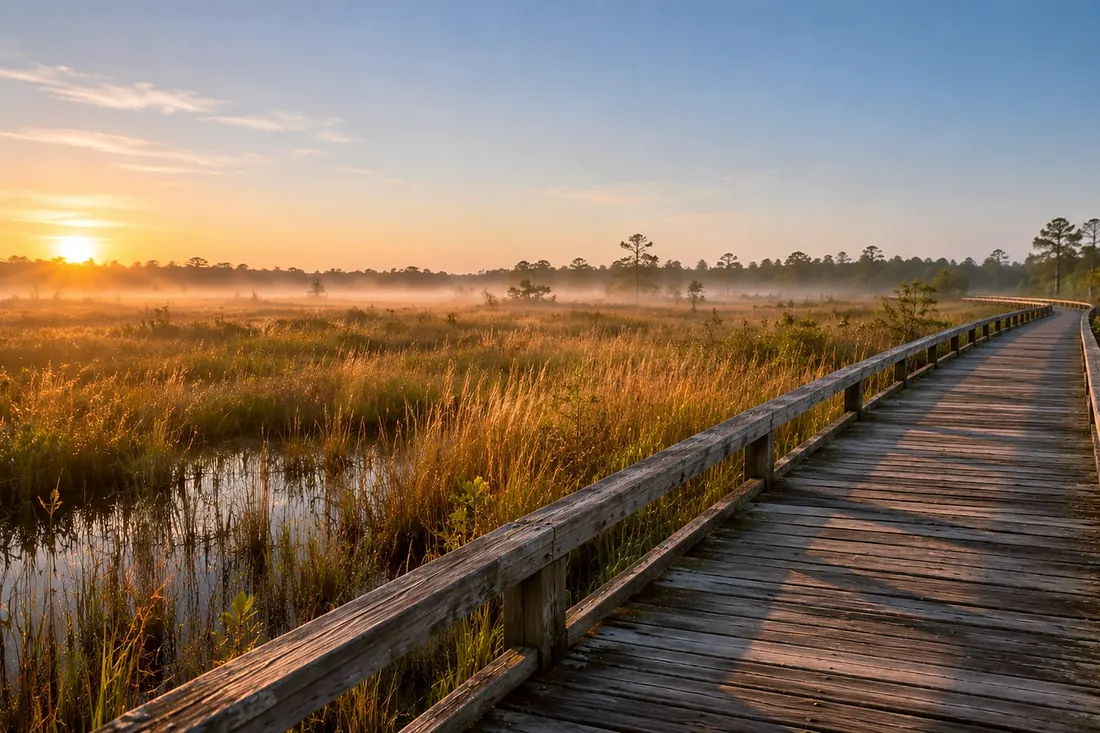
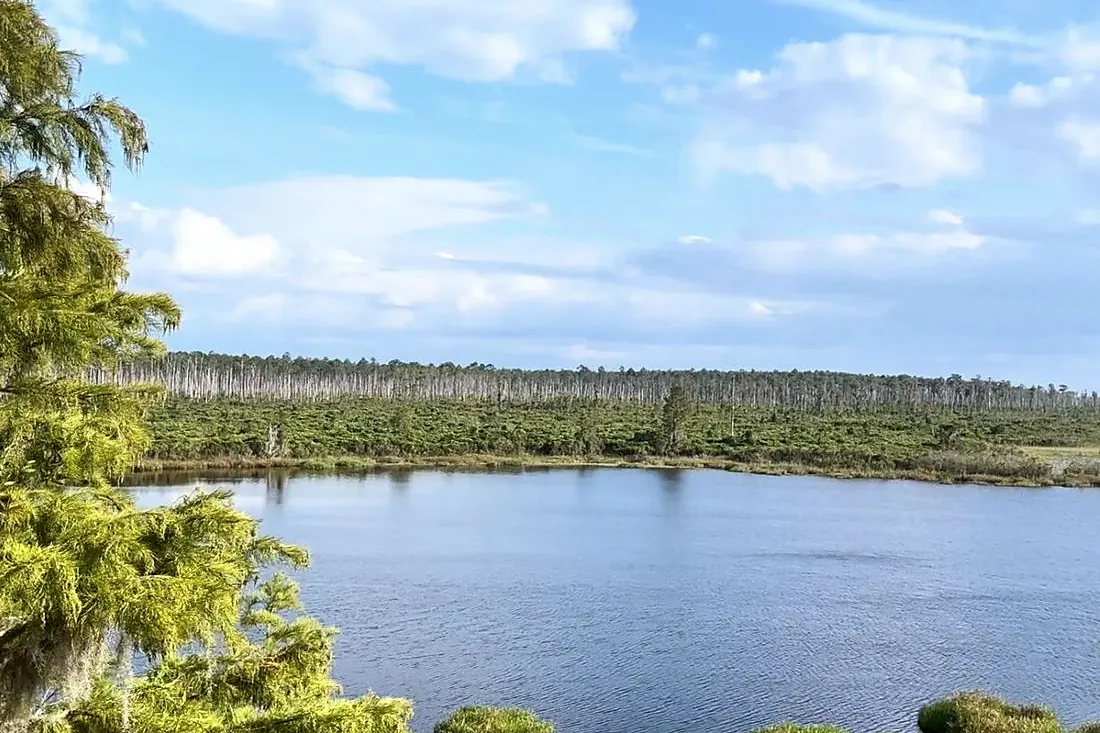
The drive leads to a boardwalk about three-quarters of a mile long. It has an observation tower about forty feet tall. The boardwalk runs through a shrub and cypress zone out to Chesser Prairie. It ends at the Owls Roost Tower, in a grove of cypress trees.
Florida sandhill cranes are commonly seen in the big prairies, including Chesser. Wood storks are often seen feeding in groups in Grand, Chesser and Chase Prairies. Chesser Prairie is the same one from the nineteen thirty boat run.
Out in the swamp, a historic hunting cabin sits on Floyds Island. It's the same island where a Seminole community stood in eighteen thirty-eight.
To go deeper, you paddle. The Nomination Text describes the refuge as a National Scenic Water Trail. The designated water trail network totals one hundred ninety-three kilometers, about one hundred twenty miles. There are nine camping sites in the swamp, and seven of them are on raised platforms. You have to reserve to camp in the swamp. Motors are limited to ten horsepower or less.
Check with the refuge before you go, for hours and fees. Then walk slow.